Everything You Dont Know About Cancer
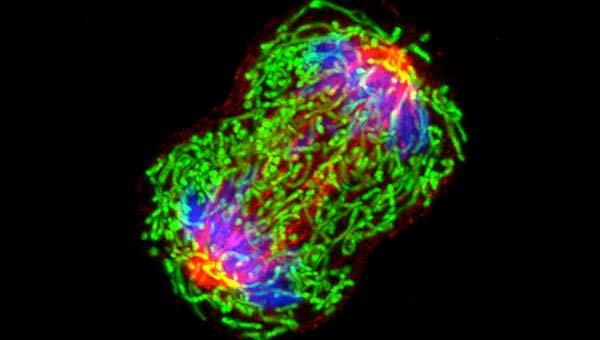
A dividing breast cancer prison cell.
Credit: National Cancer Establish / Univ. of Pittsburgh Cancer Institute
The Definition of Cancer
Cancer is a disease in which some of the body's cells grow uncontrollably and spread to other parts of the body.
Cancer tin start almost anywhere in the human being trunk, which is made up of trillions of cells. Ordinarily, man cells grow and multiply (through a process called cell partitioning) to course new cells as the body needs them. When cells abound old or become damaged, they dice, and new cells accept their place.
Sometimes this orderly process breaks down, and abnormal or damaged cells abound and multiply when they shouldn't. These cells may form tumors, which are lumps of tissue. Tumors can be cancerous or non cancerous (benign).
Cancerous tumors spread into, or invade, nearby tissues and can travel to distant places in the body to form new tumors (a process called metastasis). Cancerous tumors may also be called cancerous tumors. Many cancers form solid tumors, only cancers of the blood, such as leukemias, by and large exercise not.
Benign tumors practice not spread into, or invade, nearby tissues. When removed, benign tumors commonly don't grow back, whereas malignant tumors sometimes practise. Benign tumors can sometimes be quite big, withal. Some can cause serious symptoms or be life threatening, such as beneficial tumors in the encephalon.
Differences between Cancer Cells and Normal Cells
Cancer cells differ from normal cells in many ways. For instance, cancer cells:
- grow in the absence of signals telling them to grow. Normal cells only grow when they receive such signals.
- ignore signals that commonly tell cells to finish dividing or to dice (a process known equally programmed jail cell expiry, or apoptosis).
- invade into nearby areas and spread to other areas of the body. Normal cells end growing when they run into other cells, and almost normal cells do not move around the trunk.
- tell blood vessels to abound toward tumors. These blood vessels supply tumors with oxygen and nutrients and remove waste products from tumors.
- hide from the allowed system. The allowed organization normally eliminates damaged or aberrant cells.
- trick the immune system into helping cancer cells stay live and abound. For instance, some cancer cells convince immune cells to protect the tumor instead of attacking information technology.
- accrue multiple changes in their chromosomes, such every bit duplications and deletions of chromosome parts. Some cancer cells have double the normal number of chromosomes.
- rely on different kinds of nutrients than normal cells. In improver, some cancer cells brand free energy from nutrients in a different way than well-nigh normal cells. This lets cancer cells grow more quickly.
Many times, cancer cells rely so heavily on these abnormal behaviors that they can't survive without them. Researchers take taken reward of this fact, developing therapies that target the abnormal features of cancer cells. For instance, some cancer therapies foreclose claret vessels from growing toward tumors, essentially starving the tumor of needed nutrients.
How Does Cancer Develop?
Cancer is a genetic affliction—that is, it is caused by changes to genes that command the way our cells function, especially how they grow and divide.
Genetic changes that cause cancer tin can happen because:
- of errors that occur as cells divide.
- of damage to Dna caused by harmful substances in the environment, such as the chemicals in tobacco fume and ultraviolet rays from the sun. (Our Cancer Causes and Prevention section has more information.)
- they were inherited from our parents.
The body normally eliminates cells with damaged DNA before they turn cancerous. But the body's ability to exercise and then goes down equally nosotros historic period. This is part of the reason why in that location is a college hazard of cancer after in life.
Each person's cancer has a unique combination of genetic changes. Equally the cancer continues to grow, boosted changes volition occur. Fifty-fifty inside the aforementioned tumor, different cells may accept different genetic changes.
Fundamentals of Cancer
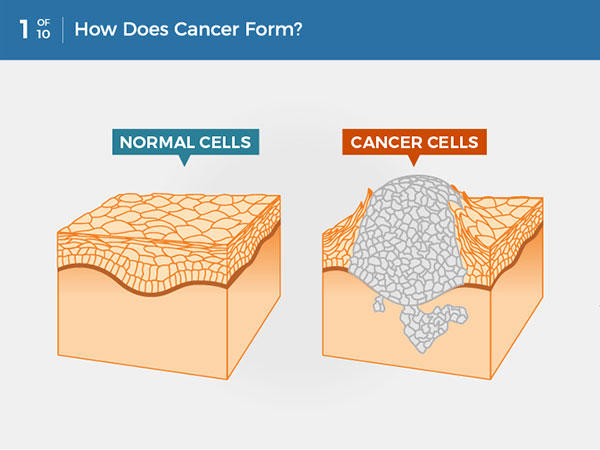
Cancer is a illness caused when cells separate uncontrollably and spread into surrounding tissues.
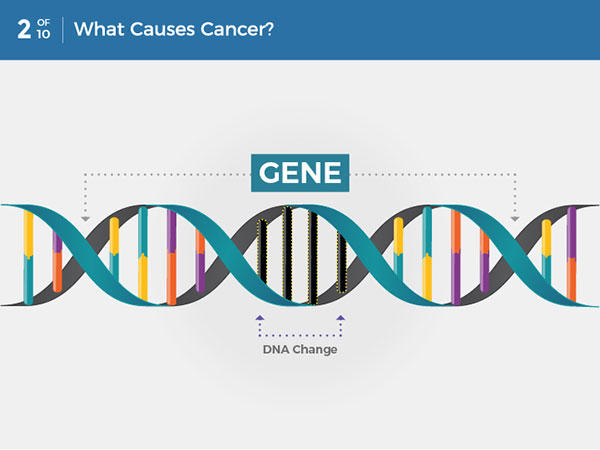
Cancer is caused by changes to DNA. Most cancer-causing Dna changes occur in sections of DNA called genes. These changes are also called genetic changes.
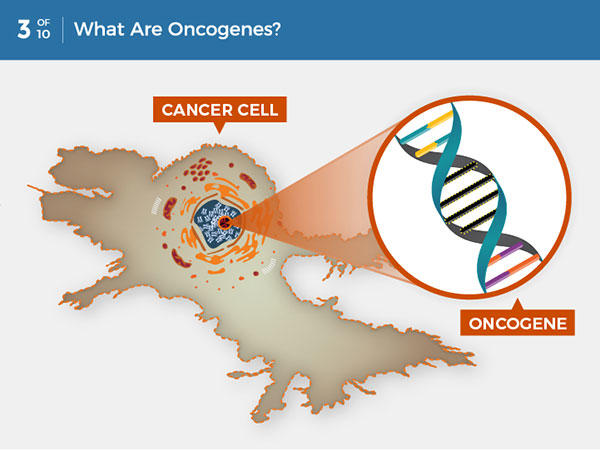
A Dna change tin cause genes involved in normal cell growth to become oncogenes. Dissimilar normal genes, oncogenes cannot be turned off, so they cause uncontrolled prison cell growth.
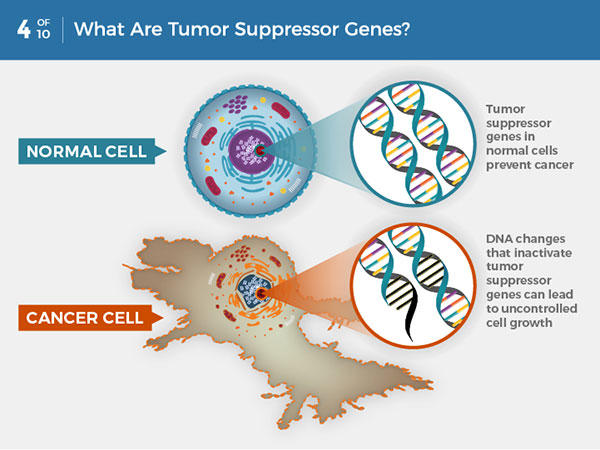
In normal cells, tumor suppressor genes prevent cancer by slowing or stopping cell growth. DNA changes that inactivate tumor suppressor genes can lead to uncontrolled cell growth and cancer.
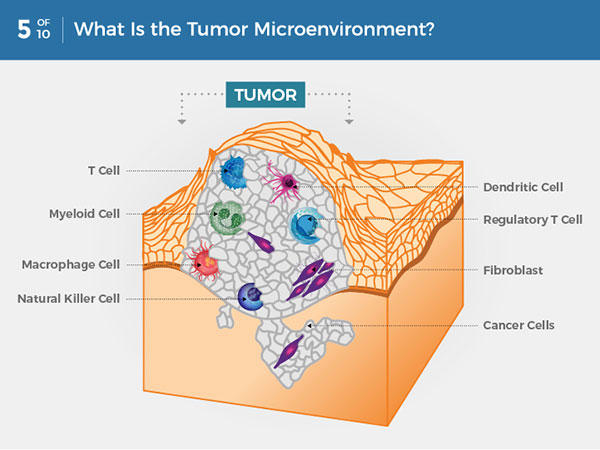
Within a tumor, cancer cells are surrounded past a variety of immune cells, fibroblasts, molecules, and blood vessels—what'due south known as the tumor microenvironment. Cancer cells can modify the microenvironment, which in turn tin can impact how cancer grows and spreads.
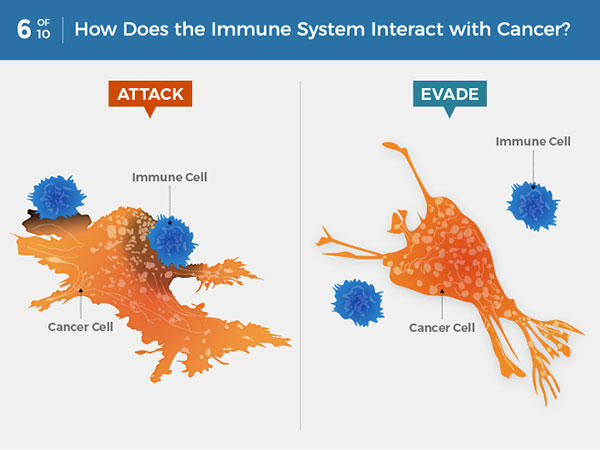
Immune system cells can notice and attack cancer cells. But some cancer cells can avoid detection or thwart an attack. Some cancer treatments can help the immune system meliorate discover and kill cancer cells.
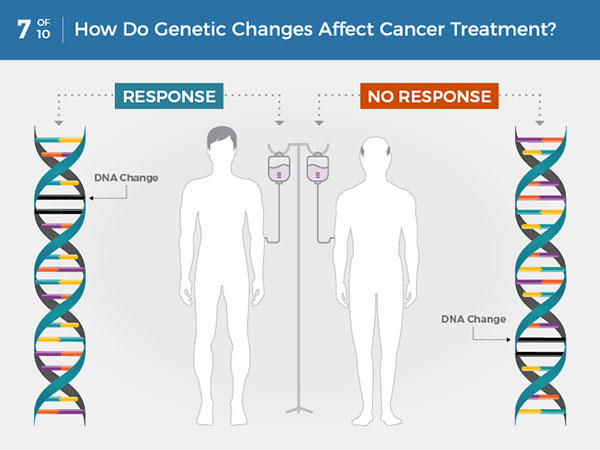
Each person's cancer has a unique combination of genetic changes. Specific genetic changes may make a person's cancer more or less likely to answer to sure treatments.
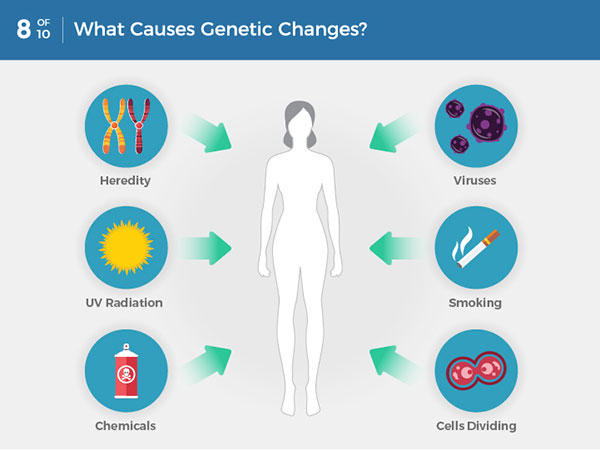
Genetic changes that cause cancer tin be inherited or arise from certain environmental exposures. Genetic changes can also happen because of errors that occur as cells divide.
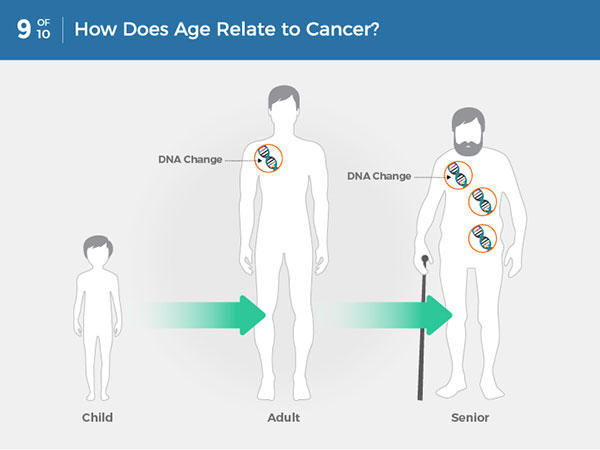
Most oftentimes, cancer-causing genetic changes accumulate slowly every bit a person ages, leading to a college risk of cancer later on in life.
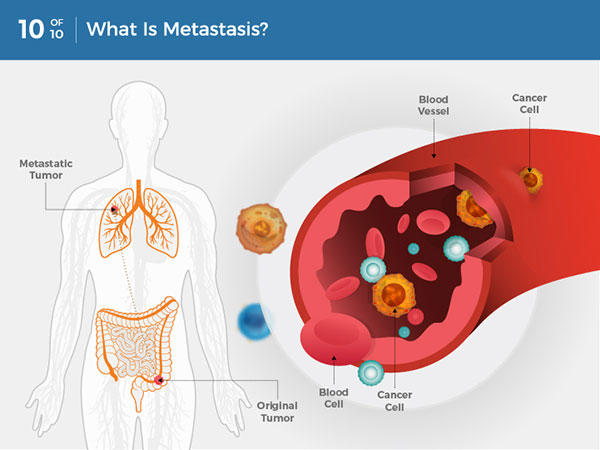
Cancer cells can break away from the original tumor and travel through the blood or lymph system to distant locations in the body, where they go out the vessels to grade additional tumors. This is called metastasis.
Types of Genes that Crusade Cancer
The genetic changes that contribute to cancer tend to affect three main types of genes—proto-oncogenes, tumor suppressor genes, and Dna repair genes. These changes are sometimes called "drivers" of cancer.
Proto-oncogenes are involved in normal prison cell growth and division. Withal, when these genes are altered in certain ways or are more active than normal, they may become cancer-causing genes (or oncogenes), allowing cells to grow and survive when they should non.
Tumor suppressor genes are too involved in controlling jail cell growth and sectionalisation. Cells with certain alterations in tumor suppressor genes may dissever in an uncontrolled manner.
DNA repair genes are involved in fixing damaged DNA. Cells with mutations in these genes tend to develop additional mutations in other genes and changes in their chromosomes, such as duplications and deletions of chromosome parts. Together, these mutations may cause the cells to become malignant.
As scientists have learned more than almost the molecular changes that lead to cancer, they have plant that certain mutations commonly occur in many types of cancer. Now there are many cancer treatments bachelor that target gene mutations found in cancer. A few of these treatments can be used by anyone with a cancer that has the targeted mutation, no matter where the cancer started growing.
When Cancer Spreads
A cancer that has spread from the place where it start formed to another identify in the body is called metastatic cancer. The procedure by which cancer cells spread to other parts of the body is called metastasis.
Metastatic cancer has the same name and the aforementioned blazon of cancer cells as the original, or primary, cancer. For instance, breast cancer that forms a metastatic tumor in the lung is metastatic chest cancer, not lung cancer.
Under a microscope, metastatic cancer cells generally wait the same as cells of the original cancer. Moreover, metastatic cancer cells and cells of the original cancer usually have some molecular features in common, such every bit the presence of specific chromosome changes.
In some cases, handling may help prolong the lives of people with metastatic cancer. In other cases, the primary goal of treatment for metastatic cancer is to control the growth of the cancer or to salvage symptoms it is causing. Metastatic tumors can crusade severe damage to how the body functions, and near people who die of cancer die of metastatic disease.
Tissue Changes that Are Not Cancer
Not every change in the torso'due south tissues is cancer. Some tissue changes may develop into cancer if they are not treated, even so. Here are some examples of tissue changes that are non cancer simply, in some cases, are monitored considering they could become cancer:
- Hyperplasia occurs when cells within a tissue multiply faster than normal and extra cells build up. Still, the cells and the mode the tissue is organized even so look normal under a microscope. Hyperplasia can be caused by several factors or conditions, including chronic irritation.
- Dysplasia is a more advanced condition than hyperplasia. In dysplasia, there is also a buildup of actress cells. But the cells await abnormal and there are changes in how the tissue is organized. In general, the more abnormal the cells and tissue wait, the greater the take a chance that cancer will form. Some types of dysplasia may need to be monitored or treated, but others do non. An instance of dysplasia is an aberrant mole (chosen a dysplastic nevus) that forms on the skin. A dysplastic nevus can turn into melanoma, although most practice not.
- Carcinoma in situis an fifty-fifty more advanced condition. Although information technology is sometimes called phase 0 cancer, it is not cancer considering the aberrant cells exercise non invade nearby tissue the way that cancer cells do. But because some carcinomas in situ may become cancer, they are usually treated.
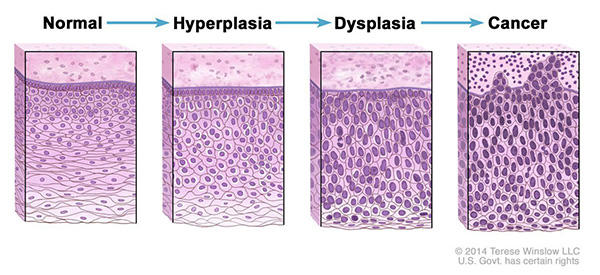
Normal cells may become cancer cells. Before cancer cells form in tissues of the torso, the cells go through aberrant changes chosen hyperplasia and dysplasia. In hyperplasia, there is an increase in the number of cells in an organ or tissue that appear normal under a microscope. In dysplasia, the cells look abnormal under a microscope but are not cancer. Hyperplasia and dysplasia may or may not become cancer.
Credit: Terese Winslow
Types of Cancer
There are more than 100 types of cancer. Types of cancer are usually named for the organs or tissues where the cancers form. For example, lung cancer starts in the lung, and brain cancer starts in the brain. Cancers also may be described by the type of cell that formed them, such as an epithelial prison cell or a squamous cell.
Yous can search NCI's website for information on specific types of cancer based on the cancer's location in the body or by using our A to Z List of Cancers. Nosotros also have information on childhood cancers and cancers in adolescents and immature adults.
Here are some categories of cancers that begin in specific types of cells:
Carcinoma
Carcinomas are the nearly common type of cancer. They are formed by epithelial cells, which are the cells that encompass the inside and outside surfaces of the body. There are many types of epithelial cells, which often have a column-like shape when viewed nether a microscope.
Carcinomas that begin in different epithelial jail cell types have specific names:
Adenocarcinoma is a cancer that forms in epithelial cells that produce fluids or fungus. Tissues with this type of epithelial prison cell are sometimes called glandular tissues. Nearly cancers of the chest, colon, and prostate are adenocarcinomas.
Basal cell carcinoma is a cancer that begins in the lower or basal (base) layer of the epidermis, which is a person'south outer layer of skin.
Squamous jail cell carcinoma is a cancer that forms in squamous cells, which are epithelial cells that prevarication just beneath the outer surface of the pare. Squamous cells besides line many other organs, including the stomach, intestines, lungs, bladder, and kidneys. Squamous cells look flat, similar fish scales, when viewed under a microscope. Squamous cell carcinomas are sometimes chosen epidermoid carcinomas.
Transitional prison cell carcinoma is a cancer that forms in a blazon of epithelial tissue called transitional epithelium, or urothelium. This tissue, which is made upwardly of many layers of epithelial cells that can become bigger and smaller, is found in the linings of the bladder, ureters, and part of the kidneys (renal pelvis), and a few other organs. Some cancers of the float, ureters, and kidneys are transitional cell carcinomas.
Sarcoma
Sarcomas are cancers that grade in bone and soft tissues, including muscle, fat, blood vessels, lymph vessels, and gristly tissue (such as tendons and ligaments).
Osteosarcoma is the most common cancer of bone. The nearly common types of soft tissue sarcoma are leiomyosarcoma, Kaposi sarcoma, malignant fibrous histiocytoma, liposarcoma, and dermatofibrosarcoma protuberans.
Our page on soft tissue sarcoma has more information.
Leukemia
Cancers that begin in the claret-forming tissue of the bone marrow are called leukemias. These cancers do not form solid tumors. Instead, large numbers of abnormal white blood cells (leukemia cells and leukemic blast cells) build upward in the blood and bone marrow, crowding out normal blood cells. The low level of normal claret cells tin make it harder for the body to get oxygen to its tissues, command haemorrhage, or fight infections.
In that location are four common types of leukemia, which are grouped based on how quickly the disease gets worse (acute or chronic) and on the type of blood cell the cancer starts in (lymphoblastic or myeloid). Astute forms of leukemia abound chop-chop and chronic forms grow more slowly.
Our page on leukemia has more data.
Lymphoma
Lymphoma is cancer that begins in lymphocytes (T cells or B cells). These are disease-fighting white blood cells that are part of the allowed arrangement. In lymphoma, abnormal lymphocytes build up in lymph nodes and lymph vessels, as well as in other organs of the body.
There are two chief types of lymphoma:
Hodgkin lymphoma – People with this disease have abnormal lymphocytes that are called Reed-Sternberg cells. These cells unremarkably form from B cells.
Not-Hodgkin lymphoma – This is a large group of cancers that start in lymphocytes. The cancers can abound speedily or slowly and can grade from B cells or T cells.
Our page on lymphoma has more than information.
Multiple Myeloma
Multiple myeloma is cancer that begins in plasma cells, another type of immune jail cell. The abnormal plasma cells, called myeloma cells, build upwardly in the os marrow and form tumors in basic all through the trunk. Multiple myeloma is also chosen plasma cell myeloma and Kahler disease.
Our page on multiple myeloma and other plasma cell neoplasms has more information.
Melanoma
Melanoma is cancer that begins in cells that become melanocytes, which are specialized cells that make melanin (the pigment that gives pare its color). Most melanomas grade on the peel, but melanomas can also form in other pigmented tissues, such as the eye.
Our pages on skin cancer and intraocular melanoma accept more than information.
Brain and Spinal Cord Tumors
There are different types of brain and spinal cord tumors. These tumors are named based on the type of jail cell in which they formed and where the tumor showtime formed in the primal nervous organisation. For case, an astrocytic tumor begins in star-shaped brain cells chosen astrocytes, which help keep nerve cells good for you. Encephalon tumors can be benign (not cancer) or cancerous (cancer).
Our pages on encephalon and spinal cord tumors in adults and brain and spinal cord tumors in children have more data.
Other Types of Tumors
Germ Cell Tumors
Germ cell tumors are a type of tumor that begins in the cells that give rise to sperm or eggs. These tumors tin can occur almost anywhere in the body and can exist either benign or cancerous.
Our page of cancers by body location/system includes a listing of germ cell tumors with links to more information.
Neuroendocrine Tumors
Neuroendocrine tumors grade from cells that release hormones into the blood in response to a signal from the nervous arrangement. These tumors, which may brand college-than-normal amounts of hormones, can crusade many unlike symptoms. Neuroendocrine tumors may be benign or malignant.
Our definition of neuroendocrine tumors has more than information.
Carcinoid Tumors
Carcinoid tumors are a type of neuroendocrine tumor. They are slow-growing tumors that are commonly plant in the gastrointestinal system (most oftentimes in the rectum and small-scale intestine). Carcinoid tumors may spread to the liver or other sites in the body, and they may secrete substances such as serotonin or prostaglandins, causing carcinoid syndrome.
Our page on gastrointestinal carcinoid tumors has more than information.
greenwellthimande.blogspot.com
Source: https://www.cancer.gov/about-cancer/understanding/what-is-cancer
0 Response to "Everything You Dont Know About Cancer"
Post a Comment